
10 Modern Songs Hi-Fi Shows Should Be Playing
Hi-fi shows often rely on the same familiar demonstration tracks. Here are 10 modern songs that can reveal what a serious audio system can do while helping the industry connect with a new generation of listeners.

Walk into enough rooms at a hi-fi show and you begin to hear the same familiar voices.
Dire Straits. Steely Dan. Pink Floyd. Fleetwood Mac. Diana Krall.
These artists made great recordings, and there is nothing wrong with using them to demonstrate audio equipment. The problem is not that hi-fi shows play older music. The problem is that many rooms seem to play almost nothing else.
As discussed in yesterday’s article, younger people do not have a music problem. They listen constantly, buy vinyl, attend concerts, collect merchandise, and spend meaningful money on headphones and other audio products. Yet many traditional hi-fi demonstrations present the hobby as though music stopped evolving several decades ago.
If the industry wants to welcome a new generation, the music coming from the speakers must occasionally sound like it belongs to them.
That does not mean abandoning the classics. It means making room for something new.
Here are 10 modern songs that could bring fresh energy to a hi-fi show while still giving serious audio systems plenty to demonstrate.
1. Billie Eilish: “CHIHIRO”
From HIT ME HARD AND SOFT
Billie Eilish and Finneas understand how to use silence, space, and low frequencies as musical elements.
“CHIHIRO” begins with a restrained, intimate presentation before gradually expanding into something much larger. The bass reaches deep without becoming a conventional bass demonstration, while the layered vocals and electronic textures test a system’s ability to remain organized as the arrangement grows.
On a capable system, the sound should feel expansive and enveloping without losing Eilish’s voice at the center.
What it demonstrates
Bass extension, vocal texture, soundstage expansion, and control during complex passages.
Why it belongs at a hi-fi show
Billie Eilish is one of the most recognizable artists of her generation, but the recording is sophisticated enough to interest even listeners who do not normally follow contemporary pop.

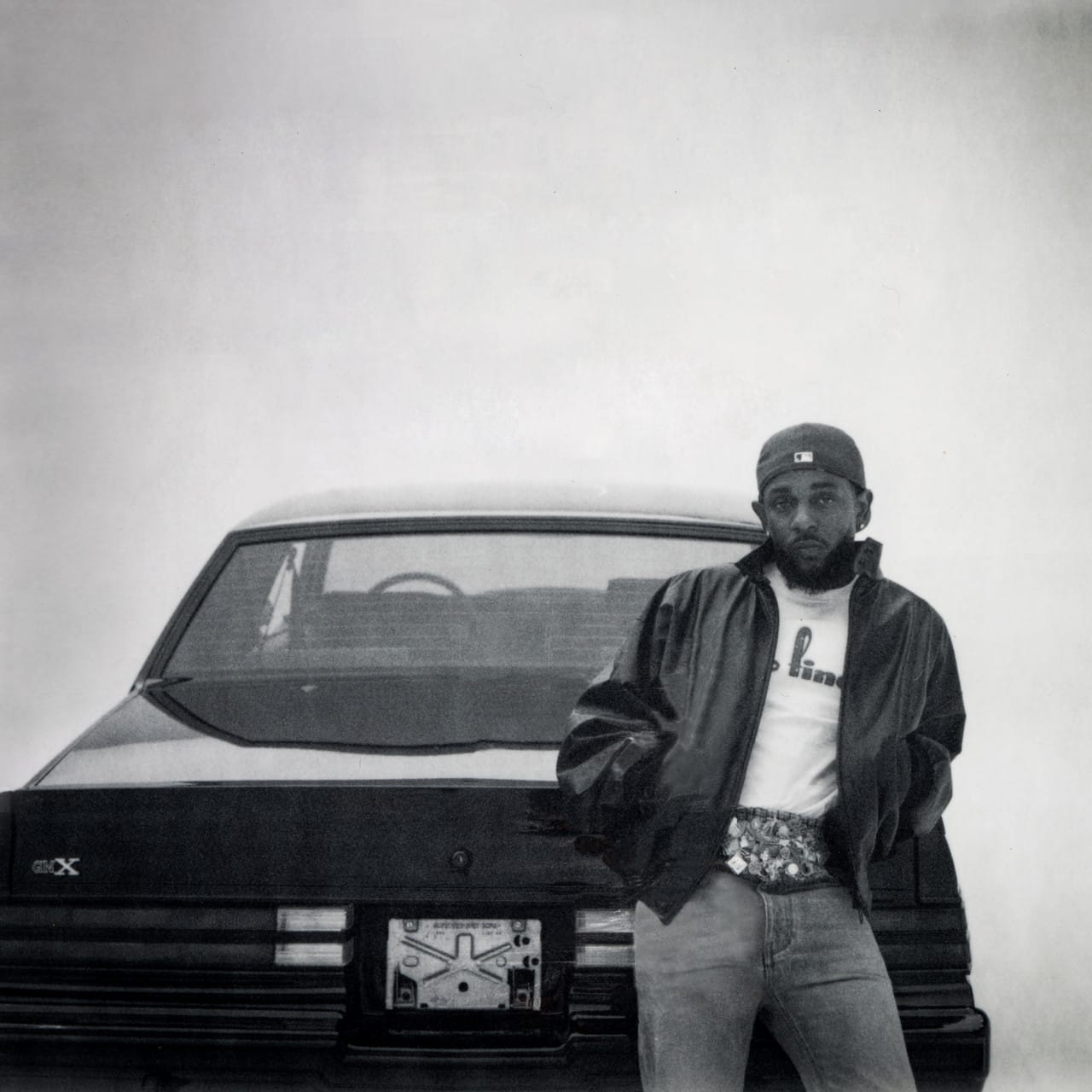
2. Kendrick Lamar and SZA: “luther”
From GNX
“luther” combines a warm sample, modern low frequency production, and two immediately recognizable voices.
The track does not rely on exaggerated spectacle. Instead, it creates a smooth, spacious atmosphere that can expose differences in tonal balance and vocal placement. Kendrick Lamar’s delivery should sound grounded and clearly defined, while SZA’s voice should float above the arrangement without becoming thin or disconnected.
The song was also one of the most prominent pop and R&B releases of 2025, making it an accessible bridge between mainstream music and serious listening.
What it demonstrates
Vocal separation, midrange warmth, bass definition, and layering.
Why it belongs at a hi-fi show
It can attract listeners who may never voluntarily sit through another demonstration of “Hotel California.”
3. Victoria Monét: “On My Mama”
From JAGUAR II
“On My Mama” has rhythm, personality, brass, layered vocals, and a bass line that should sound full without overwhelming the rest of the recording.
This is the type of track that immediately changes the energy in a room. People recognize it, move with it, and respond to it emotionally. That matters. A hi-fi demonstration should not always feel like a laboratory experiment.
There is also serious production credibility behind the album. JAGUAR II won the Grammy Award for Best Engineered Album, Non-Classical.
What it demonstrates
Groove, brass texture, vocal clarity, bass timing, and dynamic energy.
Why it belongs at a hi-fi show
It proves that a popular contemporary R&B record can be both entertaining and technically rewarding.

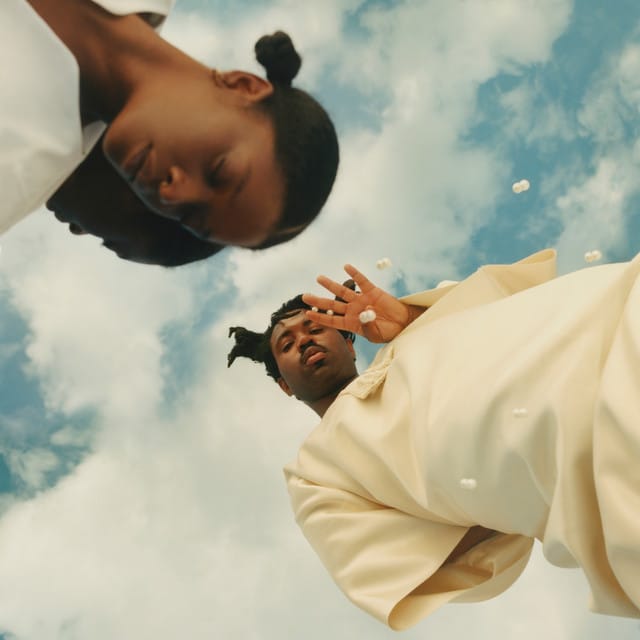
4. Sampha: “Spirit 2.0”
From Lahai
Sampha’s music rarely presents sound in a conventional way. Voices, percussion, piano, and electronic elements appear from different positions within the mix, forming an intricate but deeply human soundscape.
“Spirit 2.0” rewards systems that can reproduce small spatial cues and subtle changes in texture. The percussion should feel quick and physical, while Sampha’s vocal should retain its fragile, expressive character.
This is not a track that demands attention through sheer volume. It draws the listener inward.
What it demonstrates
Microdetail, spatial placement, transient speed, vocal expression, and rhythmic precision.
Why it belongs at a hi-fi show
It offers the sophistication associated with traditional audiophile recordings without sounding trapped in an earlier era.
5. Dua Lipa: “Houdini”
From Radical Optimism
Some audiophiles dismiss polished pop recordings because they are compressed, densely produced, or designed for mass consumption. That is exactly why a song like “Houdini” can be useful.
A strong system should be able to take a dense modern mix and make sense of it. The bass should remain controlled, the percussion should have impact, and Dua Lipa’s voice should stay intelligible even when the track becomes busy.
Not every demonstration needs to feature a sparse acoustic recording with one singer and a guitar. Real listeners play pop music too.
What it demonstrates
Timing, bass control, separation within a dense mix, and overall system energy.
Why it belongs at a hi-fi show
It reveals whether a system can make mainstream music exciting rather than harsh or exhausting.

6. Little Simz: “Gorilla”
From NO THANK YOU
“Gorilla” enters with authority.
The orchestral elements, forceful rhythm, deep bass, and Little Simz’s sharply focused vocal create a demonstration that can expose a system’s ability to deliver scale without losing precision.
Her voice should remain firmly positioned and intelligible, regardless of how large the instrumental backdrop becomes. The track should feel powerful, but never confused.
What it demonstrates
Dynamics, scale, bass impact, vocal focus, and composure.
Why it belongs at a hi-fi show
Hip-hop is one of the world’s dominant musical forms, yet it remains strangely absent from many premium audio demonstrations.

7. Fred again..: “Danielle (smile on my face)”
From Actual Life 3
Fred again.. builds electronic music from intimate vocal fragments, environmental sounds, pulsing rhythms, and gradual emotional development.
“Danielle” can reveal whether a system creates a convincing sense of space around electronic elements. The low frequencies should feel physical, but the track’s emotional character depends just as much on the delicacy of the vocal sample and the changing atmosphere around it.
It is a useful reminder that electronic music is not simply synthetic bass and repetitive beats. It can be deeply textured and emotionally direct.
What it demonstrates
Low frequency control, ambience, soundstage depth, layering, and rhythmic momentum.
Why it belongs at a hi-fi show
Electronic music can show what modern speakers and subwoofers are capable of while connecting with an audience rarely represented in demonstration playlists.

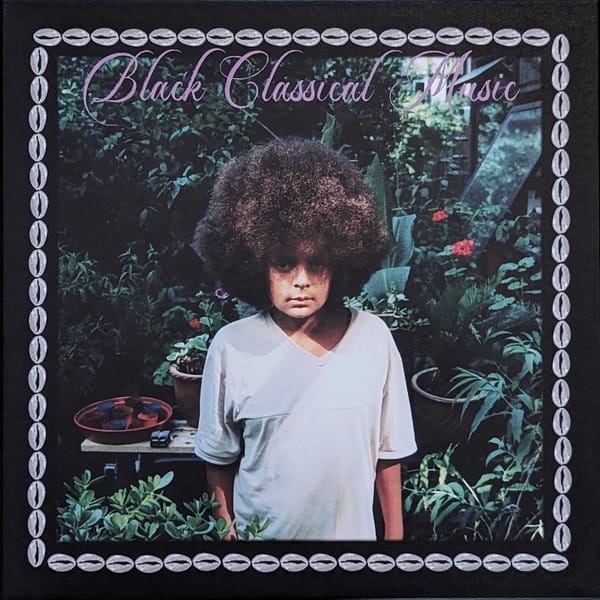
8. Yussef Dayes: “Black Classical Music”
From Black Classical Music
Jazz has always belonged at hi-fi shows. The opportunity is to demonstrate that jazz did not end with the albums audiophiles have been using since the 1950s and 1960s.
Yussef Dayes brings jazz into conversation with contemporary London, hip-hop, electronic music, and global rhythms. The title track is driven by percussion, but there is enough instrumental texture and spatial information to challenge an entire system.
The drums should sound fast and alive. The bass should remain tuneful. The performance should have momentum without becoming congested.
What it demonstrates
Percussion, instrumental separation, speed, rhythm, and dynamic contrast.
Why it belongs at a hi-fi show
It respects the hobby’s appreciation for jazz while showing that the genre continues to evolve.
9. Rosalía: “SAOKO”
From MOTOMAMI
“SAOKO” is intentionally aggressive, unpredictable, and restless.
The track shifts between distorted electronic production, jazz inspired piano, forceful percussion, and Rosalía’s commanding vocal performance. It is not designed to sound polite.
That makes it an excellent stress test.
A revealing system should communicate the track’s intensity without turning it into an unpleasant wall of sound. The transitions should feel dramatic, and the bass should hit hard while remaining controlled.
What it demonstrates
Transient impact, system speed, bass control, handling of distortion, and sudden changes in scale.
Why it belongs at a hi-fi show
Great audio equipment should not only flatter beautiful recordings. It should also make challenging, adventurous music more understandable.

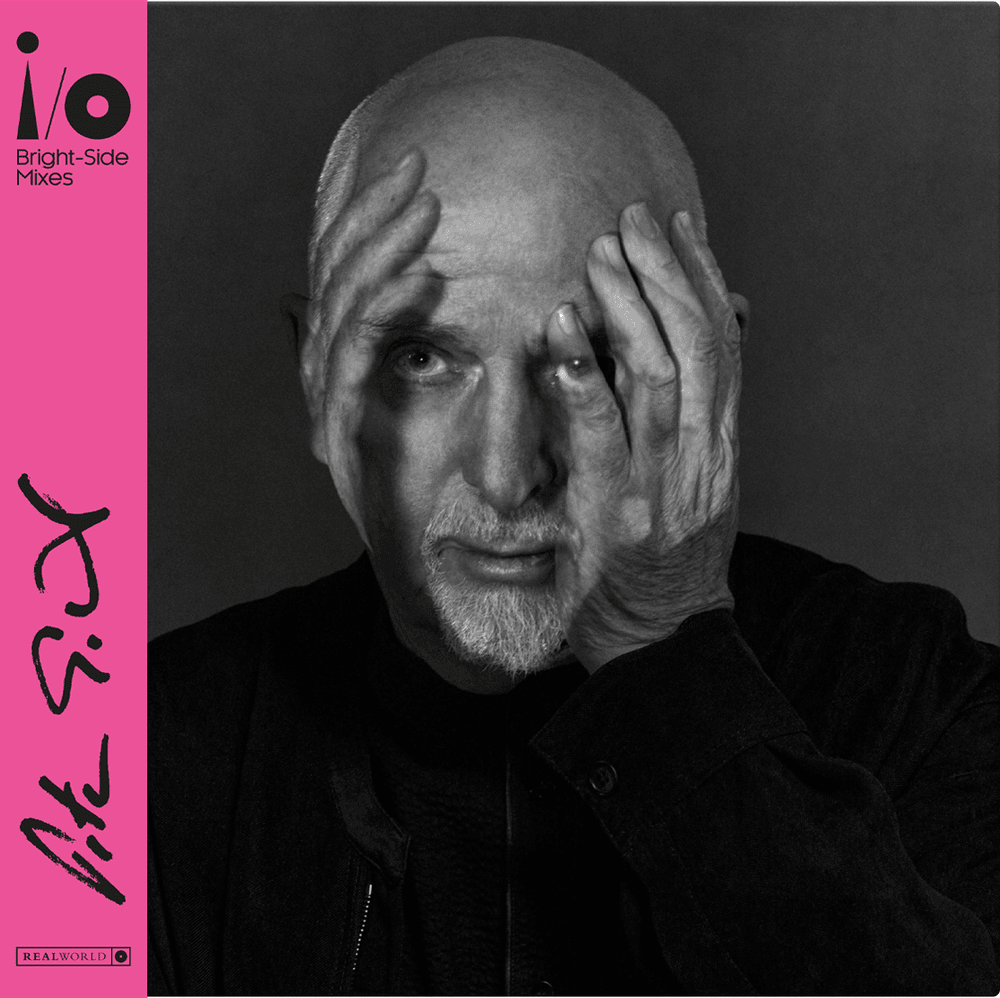
10. Peter Gabriel: “Panopticom (Bright Side Mix)”
From i/o
Peter Gabriel may not represent a younger generation, but i/o is an important example of an established artist creating a genuinely modern production.
“Panopticom” combines familiar musicianship with layered contemporary sound design. The Bright Side Mix offers a wide, detailed presentation with strong percussion, dimensional vocals, and numerous small elements occupying the soundstage.
The album’s engineering team won the 2025 Grammy Award for Best Engineered Album, Non-Classical.
What it demonstrates
Soundstage width, depth, percussion, image placement, and production detail.
Why it belongs at a hi-fi show
It offers an ideal transition for traditional audiophiles who want modern sound without abandoning the artists they already know.
A Demonstration Should Begin With the Listener
There is no perfect playlist for every hi-fi show.
A 22 year old discovering high performance audio for the first time may respond to something completely different than a lifelong collector comparing two expensive phono stages. The point is not to replace one audience with another.
The point is to recognize that both audiences can exist in the same room.
Dealers and manufacturers could begin by asking visitors what they actually listen to. They could invite attendees to connect their phones, search a streaming service, or select a track from a varied demonstration library.
That small interaction changes the experience.
Instead of being told what good sound is supposed to sound like, the visitor gets to hear what better sound can do for music they already love.
There is still room for Dire Straits, Steely Dan, Pink Floyd, Fleetwood Mac, and every carefully recorded jazz pressing that has helped demonstrate audio equipment for generations.
Just play Billie Eilish occasionally too.
The future of hi-fi may depend less on convincing younger people to appreciate old demonstration music and more on showing them what a great system can do with their own.
Which modern song would you use to demonstrate a serious hi-fi system?



Comments ()