
Sonny Rollins Has Passed Away at 95. Jazz Lost One of Its Last Giants.
Jazz legend Sonny Rollins has passed away at 95, leaving behind one of the most influential catalogs in music history. A look back at the artist, the records, and the legacy that helped shape modern jazz and generations of vinyl listeners.
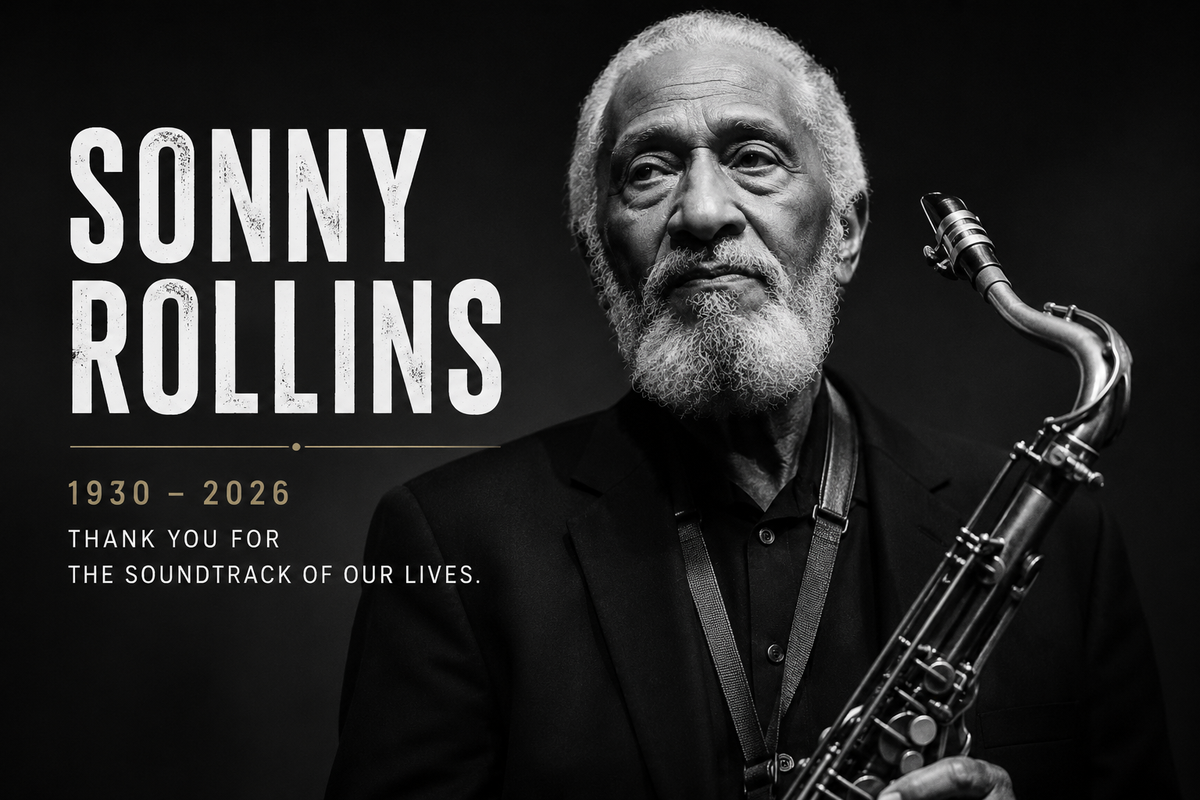
The world of jazz lost one of its most important voices this week as legendary saxophonist Sonny Rollins has reportedly passed away at the age of 95.
For many music fans, Rollins was not just another great jazz musician. He represented an era where improvisation felt fearless, records felt alive, and artists constantly pushed themselves to evolve. His career stretched across generations, influencing everyone from hard bop pioneers to modern jazz musicians still trying to capture the balance of technical brilliance and emotional honesty that defined his playing.
What made Rollins unique was not simply his skill on the tenor saxophone. It was his ability to make every performance feel conversational and human. Even his most technically demanding recordings never sounded clinical. There was personality in every phrase, humor in his improvisation, and a sense that he was always searching for something deeper inside the music.
For vinyl collectors and audiophiles, Sonny Rollins also leaves behind one of the most rewarding catalogs in jazz. Albums like Saxophone Colossus, Way Out West, and The Bridge remain essential listening not only because of the performances, but because they capture the intimacy and realism that make great jazz recordings feel timeless.
There is something special about hearing Rollins on vinyl. The air around the instruments, the room ambience, the dynamic shifts in his playing. These records remind you why so many listeners still chase the emotional connection that analog playback can deliver.
One of the most fascinating chapters of Rollins’ career came in the late 1950s when he temporarily stepped away from performing entirely. Dissatisfied with his own progress despite already being considered one of the greatest saxophonists alive, he famously practiced alone for hours on the Williamsburg Bridge in New York City. That period of reflection and discipline eventually led to The Bridge, an album that many fans still consider one of his defining artistic statements.
In today’s music culture, where speed and constant content creation often dominate the conversation, there is something deeply inspiring about an artist willing to disappear for years simply to improve his craft.
The passing of Sonny Rollins feels especially significant because he represented one of the last living connections to a transformational era in American music. He played alongside legends, survived massive shifts in the music industry, and continued to inspire generations long after jazz left the mainstream spotlight.
Tonight feels like the right time to pull a Sonny Rollins record from the shelf, lower the needle, and spend time with music that still sounds alive decades later.
Because artists like Sonny Rollins do not just leave behind albums.
They leave behind conversations that continue long after they are gone.

Comments ()