
Ryan Gosling's Dead Man's Bones Return After 17 Years. But Their New Song Has a Forgotten Past.
Ryan Gosling's Dead Man's Bones return after 17 years with “Lost in the Night.” But the song's history dates back to 2010, revealing an intriguing connection to the band's mysterious past.
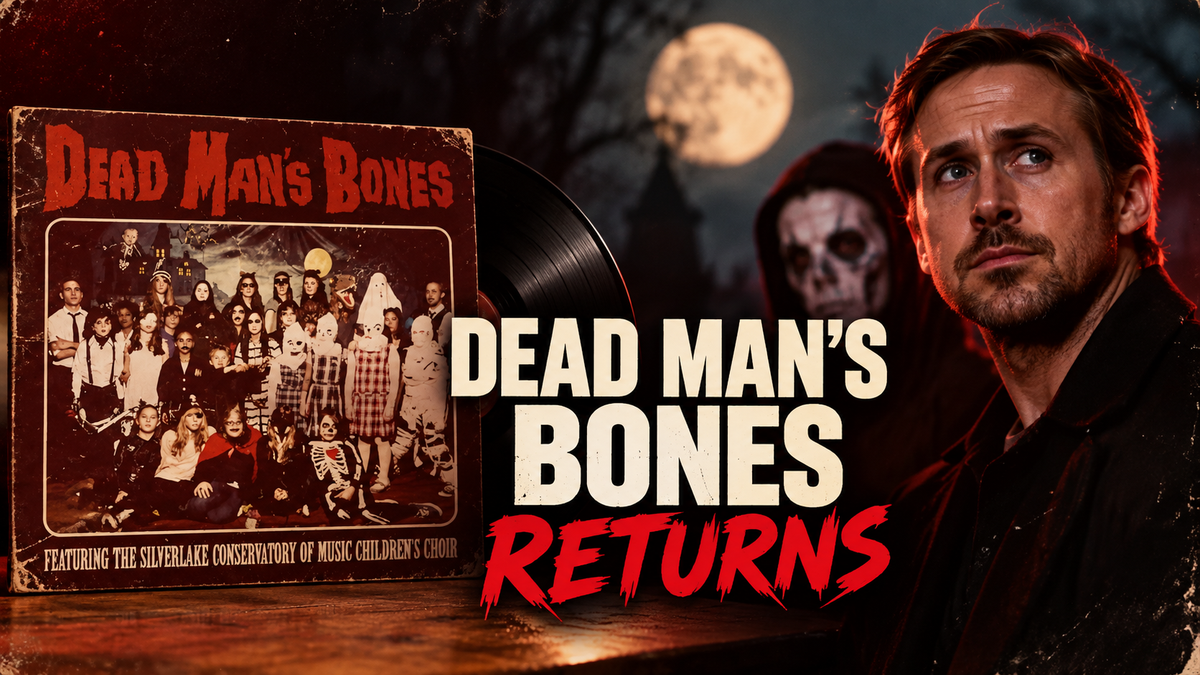
The cult band behind one of indie rock's strangest Halloween records has returned with “Lost in the Night.” The surprise is that fans may have been waiting for this particular song since 2010.
For 17 years, Dead Man's Bones existed somewhere between a forgotten side project and a cult classic.
The band, formed by Ryan Gosling and Zach Shields, released one album in 2009, toured briefly, and then seemingly disappeared. Yet the music never really went away. Its peculiar combination of gothic folk, old-fashioned rock and roll, ghost stories, and children's voices continued finding listeners, particularly around Halloween.
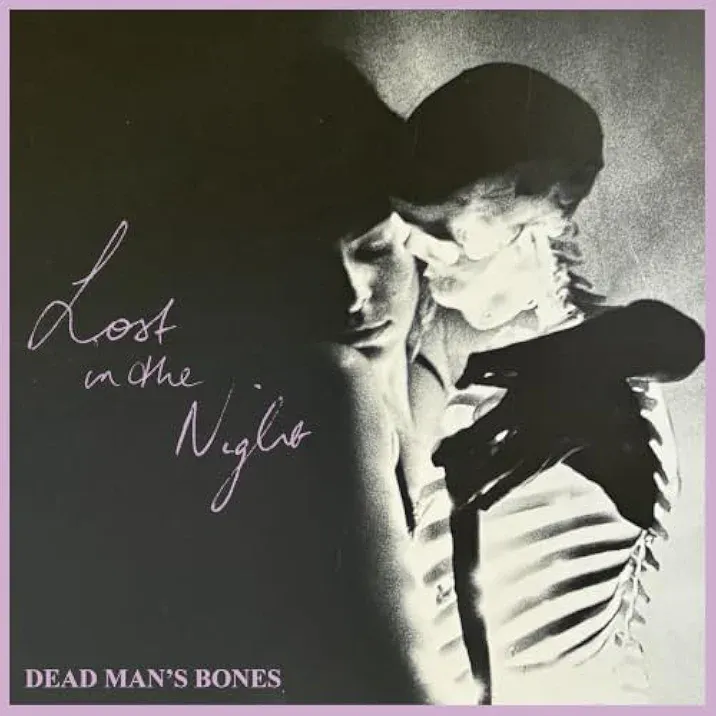
Now, Dead Man's Bones have returned with “Lost in the Night,” their first newly released recording since that debut.
The song arrives just days before Halloween, accompanied by a black-and-white music video and an unexpected recording story involving a farm outside Los Angeles.
But there's another detail that makes this comeback especially interesting.
Although “Lost in the Night” is being introduced as the band's first new music in 17 years, the title appears in concert setlists dating back to 2010.
For longtime fans, this may be more than a reunion. It could be the official arrival of a song that has been part of the band's history for over 16 years.
A Band That Was Never Supposed to Be Ordinary
Before Ryan Gosling became one of Hollywood's most recognizable actors, he and Zach Shields shared an unusual musical obsession.
Both were fascinated by ghosts, monsters, and the strange emotional appeal of old horror stories. Their mutual admiration for Disneyland's Haunted Mansion helped inspire a project that treated the supernatural less as something terrifying and more as something strangely romantic.
Dead Man's Bones grew out of an idea for a theatrical production involving ghosts, zombies, and a love story.
According to the band's record label, ANTI-, the proposed stage production became too expensive to pursue. But Gosling and Shields had already written music for it.
Rather than abandon the songs, they turned them into an album.
The result was Dead Man's Bones, released October 6, 2009.
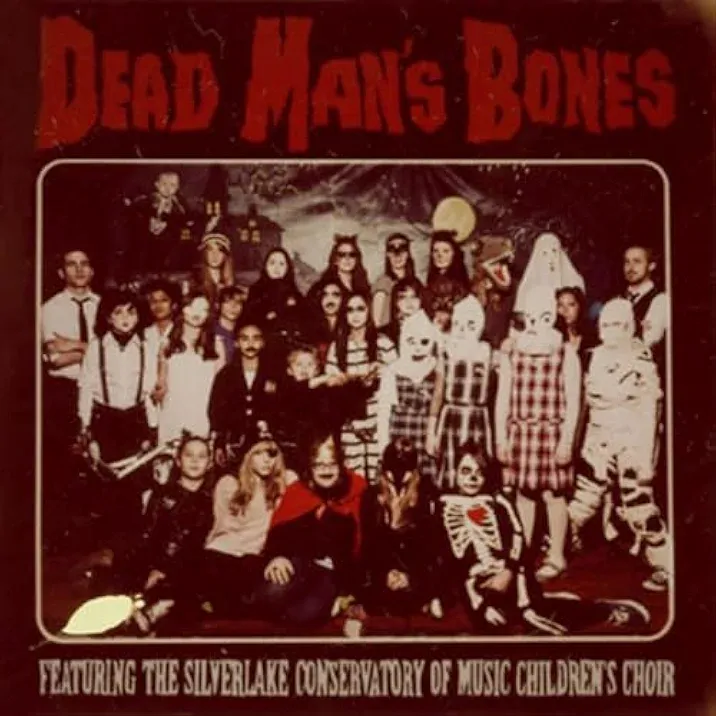
The record was unlike most celebrity music projects.
Instead of polished pop designed to capitalize on Gosling's growing fame, the duo created something deliberately theatrical and imperfect.
The album incorporated doo-wop, gospel influences, gothic folk, vintage rock, and the voices of the Silverlake Conservatory Children's Choir, an organization associated with Red Hot Chili Peppers bassist Flea.
Songs such as “In the Room Where You Sleep,” “My Body's a Zombie for You,” and “Pa Pa Power” combined unsettling imagery with melodies that could be unexpectedly warm and inviting.
The children's choir was particularly important.
Its voices gave the recordings a sense of innocence that contrasted with their macabre subject matter. Rather than sounding like conventional horror music, the album often resembled a forgotten musical from another era.
That contrast became the band's identity.
It also helped the record develop a following long after its original release.
The New Song Was Recorded in Just One Day
For their return, Gosling and Shields initially attempted to record in several Los Angeles studios.
None delivered the sound they wanted.
Eventually, they abandoned the conventional studio approach and traveled to a farm outside the city with a deliberately limited collection of equipment.
Their recording setup consisted of two guitars, two drum machines, and two synthesizers.
They recorded “Lost in the Night” in a single day.
The track was produced with longtime collaborator Tim Anderson and released through ANTI- Records.
That recording process is particularly interesting when viewed alongside the band's original philosophy.
Dead Man's Bones was never built around technical perfection.
The debut embraced unconventional arrangements, amateur enthusiasm, theatrical performances, and the unpredictable energy of musicians working outside traditional expectations.
In interviews surrounding the original album, Gosling and Shields discussed their willingness to experiment with instruments they weren't necessarily proficient at playing.
The intention was to preserve a sense of discovery rather than refine every imperfection out of the recordings.
Seventeen years later, their decision to abandon professional studios in favor of a small collection of instruments on a farm suggests that creative instinct remains central to the project.
Of course, recording quickly or using limited equipment doesn't automatically produce better music.
What matters is whether the process serves the material.
For Dead Man's Bones, however, a deliberately unconventional approach feels consistent with the spirit that made the original album memorable.
The Mystery of “Lost in the Night”
Here's where the comeback becomes especially interesting.
“Lost in the Night” isn't an entirely unfamiliar title within Dead Man's Bones history.
Archived concert setlists identify a song with that name during performances in 2010.
One documented example comes from the band's September 4, 2010, appearance at FYF Fest in Los Angeles.
The setlist places “Lost in the Night” alongside established songs such as “Pa Pa Power” and “In the Room Where You Sleep,” as well as other compositions that never appeared on the 2009 album.
The title also appears in records of earlier 2010 performances.
That raises an intriguing possibility.
Rather than writing an entirely new composition for their return, Gosling and Shields may have revisited material that existed during the band's original period.
There is an important distinction, however.
A historical setlist establishes that a song bearing this title was performed in 2010. It doesn't independently confirm that the composition, arrangement, or lyrics are identical to the recording released in 2026.
Nor has the band publicly detailed the relationship between the earlier live performances and the new studio version.
Until that connection is confirmed, it's more accurate to describe “Lost in the Night” as a newly released recording with a title that has a documented history in the band's live repertoire.
Still, the discovery adds another dimension to the story.
For a group that released only one studio album before disappearing, even its unreleased concert material has become part of its legacy.
The new single potentially opens a door into that history.
And it raises a question longtime fans will undoubtedly be asking: Are there more songs from those early performances waiting to be revisited?
A Music Video That Returns to the World of the Dead
The release is accompanied by a black-and-white music video starring Noah Jupe and Rain Spencer.
The video follows two young characters from a cemetery into the streets of a city at night, shifting the imagery from death toward romance and the excitement of being alive.
It's a fitting continuation of the band's original aesthetic.
Dead Man's Bones has always treated ghosts and graveyards as settings for surprisingly human emotions.
The music may draw on horror imagery, but beneath the theatrical presentation are familiar subjects: love, loneliness, longing, and mortality.
The new video appears to preserve that balance.
Why the Original Album Still Matters
It's tempting to explain the continuing appeal of Dead Man's Bones through Ryan Gosling's celebrity.
But that would overlook what made the music distinctive in the first place.
The 2009 album arrived with a coherent identity at a time when indie music was full of ambitious experiments in orchestration, folk traditions, and theatrical presentation.
Dead Man's Bones took those ideas somewhere stranger.
The children's choir wasn't simply a background effect. Its presence helped shape the emotional character of the recordings.
The ghost stories weren't just decorative lyrics. They connected the songs through a shared imaginary world.
And the duo's willingness to leave rough edges intact gave the album a personality that more polished productions might have struggled to capture.
Even their original live shows extended the concept.
During their 2009 tour, the band recruited local choirs to perform with them rather than attempting to reproduce the exact personnel from the studio recording.
Some performances also incorporated local talent shows, turning concerts into theatrical community events.
That approach made Dead Man's Bones feel less like a conventional band and more like a temporary world audiences could enter.
The album's influence also reached other musicians.
Cat Power recorded a version of “Pa Pa Power” for her 2022 album Covers, introducing the composition to another audience.
Meanwhile, the band's original recordings continued appearing in film, television, and seasonal playlists.
For collectors, the 2009 album remains an unusual artifact: a complete musical world from a band that never followed it with a second studio LP.
Does This Mean a New Dead Man's Bones Album Is Coming?
Not necessarily.
As of October 27, the confirmed return consists of “Lost in the Night” and its accompanying music video.
There has been no confirmed announcement of a second studio album, a new vinyl edition of the single, or a reunion tour.
That's worth emphasizing because a return after 17 years naturally creates expectations.
The decision to record new material suggests Gosling and Shields were interested in working together again, but one released song doesn't establish the scope of their future plans.
The historical appearances of “Lost in the Night” in the band's live repertoire make the possibilities more intriguing.
There may be other compositions from that period worth revisiting.
But whether the duo intends to explore those songs, write an entirely new album, or leave this release as a standalone return remains unknown.
For vinyl collectors, there's another unanswered question.
Will “Lost in the Night” receive a physical release?
The original Dead Man's Bones album was issued on vinyl, making a future physical release an obvious point of interest. But no new vinyl pressing should be assumed until the band or label confirms one.
For now, the single is an opportunity to rediscover a group whose recorded catalog remains remarkably small.
A Halloween Comeback Worth Paying Attention To
The timing couldn't be more appropriate.
Dead Man's Bones built its identity around ghosts, monsters, old horror movies, and the strangely comforting atmosphere of Halloween.
Returning just days before October 31 feels entirely in character.
But the most compelling aspect of “Lost in the Night” isn't its seasonal timing or even Ryan Gosling's involvement.
It's the possibility that a song associated with the band's original live performances has finally found its way into an official release.
That connects the new recording to a period when Dead Man's Bones was still developing its peculiar musical world.
The farm recording also suggests that Gosling and Shields haven't abandoned the creative philosophy behind their debut.
They still seem interested in making music on their own terms, even when that means stepping away from the conventional studio environment.
Whether “Lost in the Night” becomes the beginning of a second chapter or remains a brief return is something only time will answer.
For now, Dead Man's Bones are back.
And for a band that spent 17 years sounding like a ghost from another era, that feels strangely appropriate.
What do you think? Should Dead Man's Bones return with a full album, or is their mysterious, one-album legacy part of what makes them special?
Listen and Explore
- Official new single: https://www.anti.com/releases/lost-in-the-night/
- Official artist page: https://www.anti.com/artists/dead-mans-bones/
- Original album: https://www.anti.com/releases/dead-mans-bones/
- Archived 2010 setlist: https://www.setlist.fm/setlist/dead-mans-bones/2010/los-angeles-state-historic-park-los-angeles-ca-43d5777b.html


Comments ()